
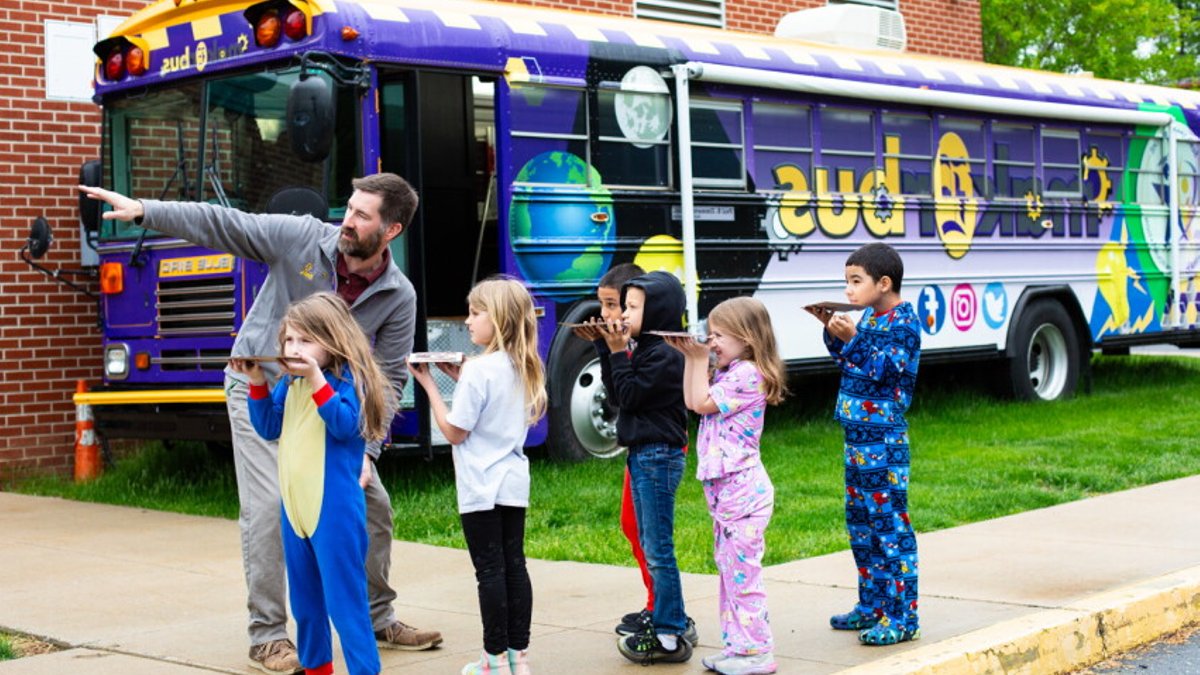
Maker Bus rolls through Ephrata, Pa., schools as a mobile classroom. Inside, students weld, laser-cut, and 3D-print instead of taking traditional classes. The bus, once retired, now carries tools and workstations between schools in the district. Its bright purple wrap marks it as a hub for creativity, not a standard school bus.
The idea stems from the maker movement, which began two decades ago. It pushes schools to create spaces where students can experiment with tools and materials. Ephrata’s approach skips fixed locations. Instead, the district moves its makerspace on wheels. This lets more students access the space without needing a dedicated room in every school.
High schoolers led the bus’s transformation. They replaced seats with butcher-block tables and installed a 3D printer and laser cutter. The project was hands-on, giving students a chance to apply metalworking skills. “That’s a living example of us turning the keys over to the students,” said Ephrata Superintendent Brian Troop in April. The district views the bus as a way to let learners take more control of their education.
Related: Schools Get Guidance on E-Bike Safety
On a recent day, fifth graders at Fulton Elementary School worked on the bus. They laser-cut maps of their town and built a wooden “bee hotel” with adult help. These projects align with key themes in the district’s curriculum. Each grade level has specific goals that tie academic content to real-world skills like adaptability and civic engagement.
The bus’s route rotates between schools. It stops at different grade levels, offering tailored activities. For example, middle schoolers might focus on engineering challenges, while younger students work on art-based projects. The goal is to let students explore interests and apply knowledge in new ways.
Teachers oversee the bus’s use but step back when possible. Students lead most of the work, with mentors available for guidance. This setup mirrors the maker movement’s emphasis on learning through doing. It also reflects a shift in education toward giving students more autonomy in how they demonstrate learning.
Related: The Importance of Finance Certification Courses
Not all districts have adopted this model. Some prefer fixed makerspaces in school buildings. Ephrata’s approach, however, addresses space limitations and ensures broader access. The bus’s success hinges on student involvement in its creation and daily use. It’s a practical example of how schools can repurpose old resources for new educational goals.
The bus’s retrofitting involved high school metalworking classes. Students designed and installed workstations, proving their technical skills. The project also taught collaboration, as multiple classes contributed to the bus’s final form. The district sees this as a way to connect academic learning with real-world applications.
Projects on the bus often tie into local issues. The bee hotel, for instance, links to environmental science lessons. Students learn about pollinators while practicing woodworking. This integration of academic content with hands-on tasks is a key part of the district’s strategy to prepare students for life beyond school.
Related: Jewellery for everyday and Special occasions
The Maker Bus operates without a fixed schedule. Its movements depend on school needs and student projects. This flexibility allows the district to adjust activities based on grade-level goals and available resources. It also keeps the bus relevant as student interests evolve over time.
Officials say the bus has boosted student engagement. By letting learners take charge of their projects, the district hopes to build confidence and problem-solving skills. The model is still being tested, but early results suggest it aligns with broader trends in education that prioritize student-driven learning.


Leave a Reply